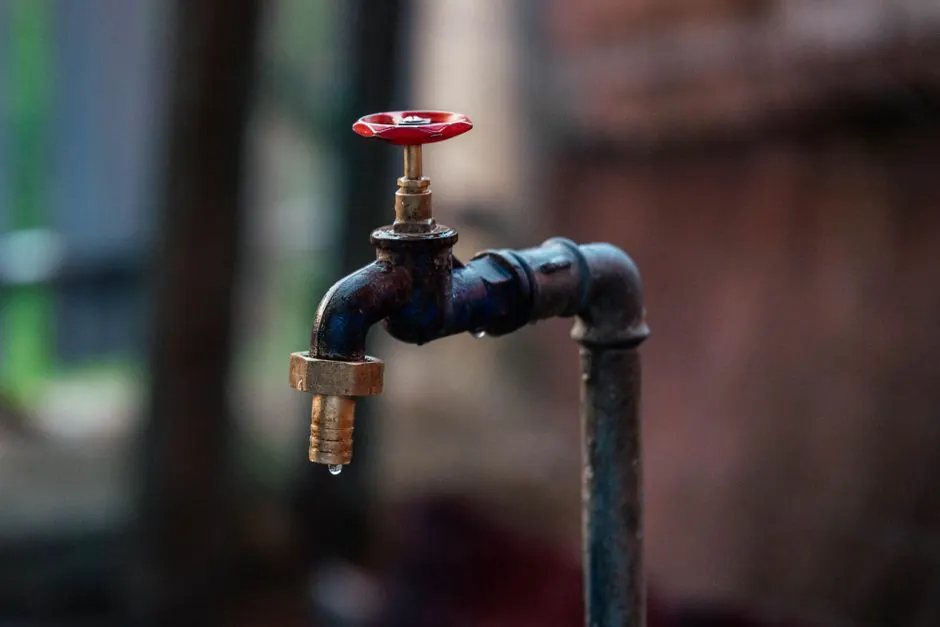
A dripping faucet can be a frustrating issue for homeowners in Seaford, New York. The good news is that determining whether to repair or replace it can often be straightforward. This article explores the common causes of a dripping faucet, the decision-making process for repair versus replacement, and practical steps for both DIY enthusiasts and those considering professional help.
Faucet repair is a common home maintenance task that involves fixing leaks or malfunctions in the faucet's components. Understanding the underlying causes of a drip can help you decide the best course of action.
What Causes a Dripping Faucet?
Several factors can lead to a dripping faucet in Seaford. The most common causes include:
- Worn Washers: Over time, the rubber washers inside your faucet can wear out, leading to leaks.
- Corroded Valve Seats: The valve seat connects the faucet and the spout. Corrosion can prevent a proper seal, causing drips.
- O-Ring Issues: The O-ring is a small disc that helps seal the faucet. If it becomes damaged, it can lead to leaks.
- High Water Pressure: Excessively high water pressure can put stress on the faucet, causing it to drip.
- Loose Parts: Sometimes, a simple tightening of the faucet components can resolve the issue.
Should I Repair or Replace My Faucet?
Deciding whether to repair or replace your faucet depends on several factors, including the age of the faucet, the extent of the damage, and your budget. If your faucet is relatively new and the issue is minor, a repair may be sufficient. However, if you're dealing with significant wear and tear or if the faucet is over ten years old, replacement might be the better option.
Typical costs for faucet repair in Seaford range from $100 to $300, depending on the complexity of the issue. In contrast, replacing a faucet can cost between $150 and $500, including installation. Assessing both options will help you make an informed decision.
Common Faucet Problems in Seaford
In Seaford, many homeowners encounter similar faucet issues due to the age of plumbing systems and local water quality. Common problems include:
- Mineral Buildup: Hard water can lead to mineral deposits that affect faucet performance.
- Leaky Pipes: Corroded or damaged pipes can contribute to faucet leaks.
- Old Fixtures: Older fixtures may not function as efficiently and are more prone to leaks.
If you notice any of these problems, it might be time to consider a professional assessment. Seaford Plumbing Co offers comprehensive residential plumbing services to help diagnose and fix these issues.
DIY Faucet Repair Steps
If you decide to tackle the repair yourself, follow these steps:
- Gather Tools: You will need a wrench, screwdriver, replacement washers, and O-rings.
- Turn Off Water Supply: Locate the shut-off valves under your sink and turn them off.
- Disassemble the Faucet: Carefully remove the faucet handle and unscrew the packing nut.
- Inspect Components: Check washers and O-rings for wear and replace them as needed.
- Reassemble and Test: Put the faucet back together, turn the water supply back on, and check for leaks.
For those who prefer not to DIY, contacting a local faucet repair plumber can save time and ensure the job is done correctly.
When to Call a Professional
If your faucet continues to drip after a repair attempt, or if you're unsure about the problem, it's best to call a professional. Seaford Plumbing Co specializes in emergency plumbing services and can quickly resolve persistent faucet issues. Our team is equipped to handle both simple repairs and complex installations, ensuring your plumbing functions efficiently.
Frequently Asked Questions
1. How much does it cost to repair a dripping faucet? Repairing a dripping faucet typically costs between $100 and $300 in Seaford, depending on the issue.
2. Can I fix a dripping faucet myself? Yes, many homeowners can fix a dripping faucet with basic tools and replacement parts, following a few simple steps.
3. What are the signs of a faucet that needs replacing? Signs include persistent leaks, corrosion, and difficulty in turning the handle.
4. How often should faucets be replaced? Faucets generally last around 15 to 20 years, but this can vary based on usage and maintenance.
5. What should I do if my faucet is still leaking after a repair? If the faucet continues to leak after a DIY repair, contact a professional plumber for a thorough inspection.